

Traditional Bracing for Scoliosis
For centuries, scoliosis has been treated utilizing bracing. While this concept isn’t new, we’ve learned a lot over the years about scoliosis and brace efficiency.
At ScoliFix, we apply that knowledge to the modification of the world’s most effective scoliosis brace: the ScoliBrace®.
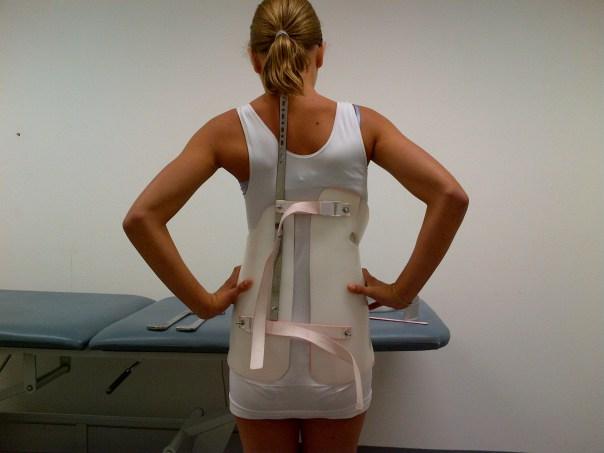
The Boston brace, most commonly utilized in traditional treatment, uses a three-point pressure system to impact scoliosis in two dimensions. This method does not address the body’s three-dimensional posture position. The Boston brace and the ScoliBrace® are associated with very different treatment styles and concerns.
Two Main Approaches to Scoliosis Treatment
It’s important for patients to understand two main scoliosis treatment approaches that will shape their spinal health and decisions.
Traditional scoliosis treatment often includes a surgical response when a certain severity level (45/50 degrees or greater) is reached. Unfortunately, it does little beforehand to prevent progression from occurring.
In most cases, the cause of scoliosis is unknown. Its classification ranges from mild, moderate, to severe. Scoliosis is progressive — its nature is to increase in severity over time. Growth spurts trigger progression, meaning the more growth a patient has to go through before reaching skeletal maturity, the higher their potential for progression.
Traditional methods for mild scoliosis often recommend a “watch and wait” methodology. This is risky, because when a significant adolescent growth spurt occurs, rapid progression can make reduction and stabilization more challenging.
Modern conservative treatment, also called non-surgical scoliosis treatment, is proactive rather than reactive. Its goal is to prevent progression and reduce the need for invasive spinal treatments later in life.
Why Three-Dimensional Correction Matters
Scoliosis doesn’t just cause the spine to bend unnaturally to the side — there is also a rotational component.
A two-dimensional approach is limited in its ability to reduce and stabilize scoliosis. The most significant difference between a modern ScoliBrace® and the traditional Boston brace is their corrective potential: three-dimensional versus two-dimensional.
The ScoliBrace® is a customized, 3D scoliosis brace used to treat scoliosis in children, adolescents, and adults.
Improving Compliance with Modern Bracing
Compliance is a primary issue with scoliosis bracing. The ScoliBrace’s® innovative design addresses problems associated with traditional TLSO (Thoracic Lumbar Sacral Orthosis) braces, like the Boston brace.
For many teens, it’s important to look and walk like their peers. Not all scoliosis braces are designed with comfort and discretion in mind. Scolicare clinicians observed this challenge of traditional bracing and, recognizing the need for something new, created the ScoliBrace®.
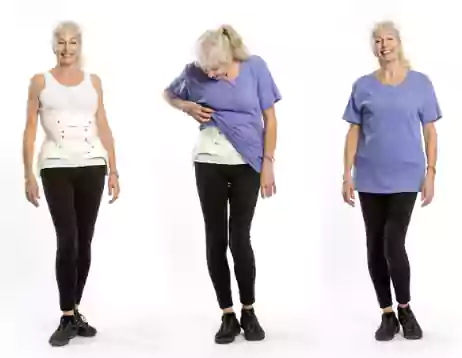
Each ScoliBrace® is designed using advanced 3D scanning technology and computer-aided modeling to create a more comfortable and concealable brace. It’s easy to put on and take off, thanks to its front-opening design. Patients can even customize the pattern and color.
Functional Design and Corrective Potential
The ScoliBrace® isn’t just unique in its appearance — its functional design is equally advanced.
Spinal coupling is based on natural movement, where a primary motion automatically triggers a secondary motion (such as spinal rotation accompanying a side bend). The asymmetrical design of the ScoliBrace® takes advantage of this mechanism, guiding the spine into corrective movements rather than locking it into immobility as other TLSO systems do.
Research shows this over-corrective positioning stimulates neuromuscular retraining, helping the brain and muscles adapt to healthier posture.
By contrast, the Boston brace’s rigid, symmetrical design restricts motion. While it can slow progression, it often compromises muscle strength and flexibility, reducing long-term spinal resilience.
Materials and Comfort
Another major advancement is in the materials used in modern scoliosis bracing.
Traditional braces like the Boston are typically made of rigid thermoplastics such as polyethylene. While durable, these materials can be bulky, uncomfortable, and difficult to conceal under clothing.
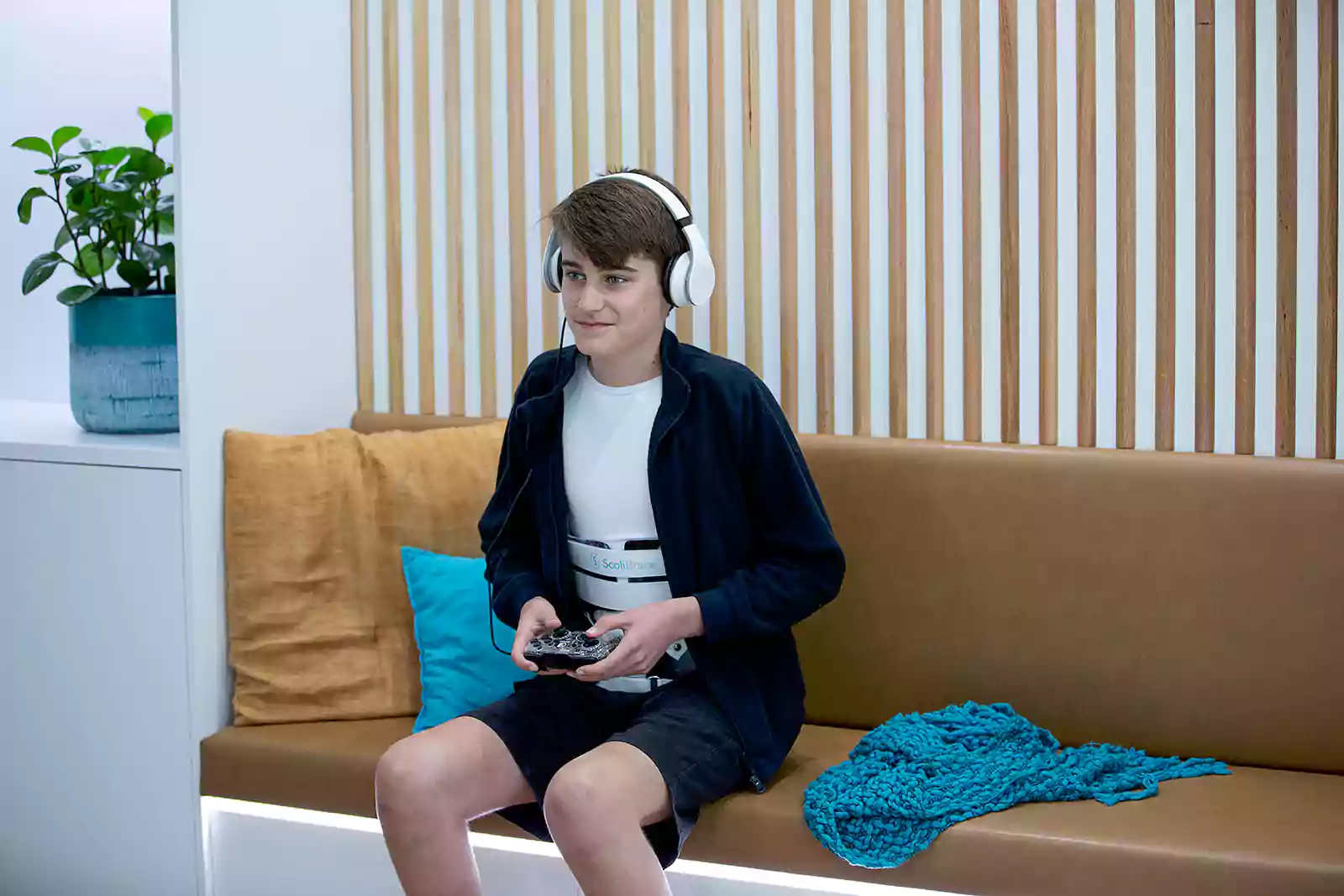
The ScoliBrace® employs lightweight, medical-grade polymers that improve flexibility, reduce weight, and enhance breathability. Modern copolyester blends and polypropylene composites allow thinner walls without sacrificing strength.
This makes the ScoliBrace® less restrictive and more tolerable for daily wear, directly improving compliance.
ScoliBrace® vs. Boston Brace
The Boston brace’s goal is to stop progression through immobilization and compression, but it does not address spinal rotation or three-dimensional posture. While somewhat effective in slowing progression, its limitations in corrective potential and wearability make compliance difficult.
The ScoliBrace® vs Boston brace comparison highlights the biggest difference: three-dimensional corrective ability versus traditional two-dimensional control. The ScoliBrace® allows for movement, which, when combined with exercise-based treatment, can improve muscle health and spinal flexibility.
Design Philosophy
Immobilization to stop curve progression
Over-correction using asymmetrical, 3D customization
Spinal Motion
3-point pressure system that restricts motion (3,4)
Uses spinal coupling to guide corrective movement (3)
Dimensional Focus
2D (lateral bend only)
Full 3D (lateral bend, rotation, and sagittal alignment)
Fit & Customization
Standardized, less individualized
Custom fit via 3D scanning & CAD modeling
Material
Rigid thermoplastics (polyethylene) durable but bulky (4)
Lightweight medical-grade polymers; variable stiffness zones for comfort & correction (8)
Appearance & Comfort
Rigid, harder to conceal under clothing; compliance challenges (4)
Lighter, slimmer, customizable colors/patterns for better wearability (3,5)
Effect on Muscles
May weaken muscles due to immobilization (4)
Supports movement, helps maintain strength & flexibility (3)
Best Outcomes
Slows/stops curve progression (especially thoracic)
Curve reduction, posture improvement, muscle strengthening (3,5)
Compliance
Often lower due to bulk and disc
The Role of ScoliBalance® Exercises
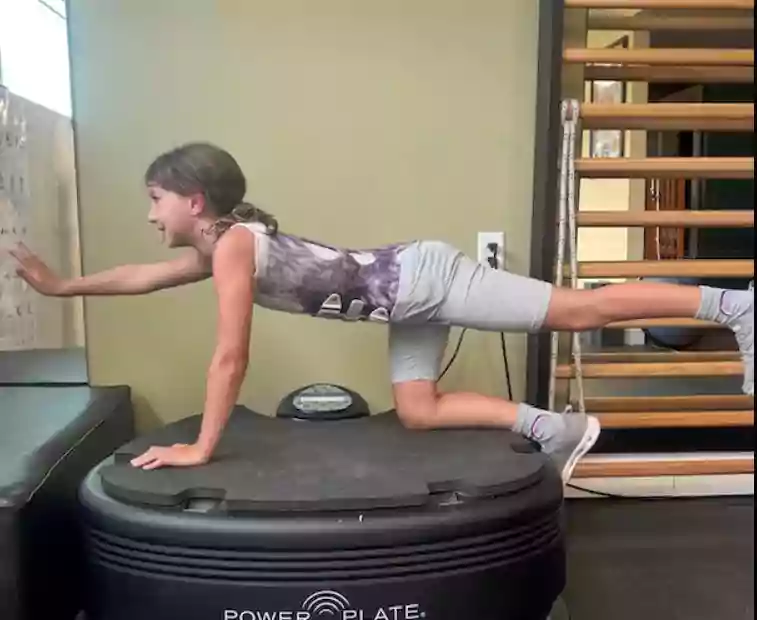
ScoliBalance® is an effective, physiotherapeutic scoliosis-specific exercise program designed for patients of all ages.
These exercises restore balance to the spine and body, integrating principles of chiropractic care, physical therapy, and rehabilitative exercise. Patients are taught Mirror Image Exercises™ to retrain their posture and counteract the spine’s unnatural bend and twist.
This awareness helps sustain treatment results. Patients practice these corrective movements at home in short sessions throughout the day.
When combined with the corrective power of the ScoliBrace®, modern scoliosis bracing and conservative treatment can deliver meaningful improvements in posture, pain relief, strength, spinal flexibility, and curve management.
Making the Right Treatment Choice
Choosing the right scoliosis brace for yourself or your child is a complex decision that requires serious consideration.
Traditional TLSO braces — including the Boston, Milwaukee, Charleston bending, Providence, and Wilmington braces — have shown limited improvements in spinal positioning. Weak muscles, increased rigidity, and restricted movement are common effects of this traditional approach.
As the 2016 SOSORT guidelines emphasize, “orthopaedic and rehabilitation treatment of idiopathic scoliosis during growth should aim for 3D correction rather than simple immobilization”. (4)
The individualized combination of the ScoliBrace® and ScoliBalance® — customized to each patient’s unique scoliosis pattern — is what makes the difference in successful treatment.
While no treatment results can be guaranteed, patients at ScoliFix often experience improved posture, curve reduction, pain relief, better spinal flexibility, and managed progression.
At ScoliFix, we work closely with patients to provide comprehensive, customized brace options and scoliosis-specific exercise programs, maximizing the potential for positive outcomes.
References
1. Active self-correction and task-oriented exercises reduce spinal deformity and improve quality of life in subjects with mild adolescent idiopathic scoliosis: National Library of Medicine
2. Weinstein SL. The Natural History of Adolescent Idiopathic Scoliosis. J Pediatr Orthop.2019 Jul;39(Suppl 1):S44-S46. doi:10.1097/BPO.0000000000001350. PMID: 31169647.
3. Marchese R, Du Plessis J, Pooke T, McAviney J. The Improvement of Trunk Muscle Endurance in Adolescents with Idiopathic Scoliosis Treated with ScoliBrace® and the ScoliBalance® Exercise Approach. J Clin Med. 2024;13(3):653. doi:10.3390/jcm13030653. PMID: 38337346.
4. Negrini S, Donzelli S, Aulisa AG, et al. 2016 SOSORT guidelines: orthopaedic and rehabilitation treatment of idiopathic scoliosis during growth. Scoliosis Spinal Disord. 2018;13:3. doi:10.1186/s13013-017-0145-8. PMID: 29435499.
5. Scoliosis in Children and Teens: National Institute of Arthritis and Musculoskeletal and Skin Diseases.
6. Comparison of Functional Outcome and Quality of Life in Patients With Idiopathic Scoliosis Treated by Spinal Fusion: National Library of Medicine.
7. Screening for the Early Detection of Idiopathic Scoliosis in Adolescents: American Academy of Orthopaedic Surgeons.
8. Marty-Poumarat C, Scattin L, Marpeau M, Garreau de Loubresse C, Aegerter P. Natural History of Progressive Adult Scoliosis. Spine. 2007;32(11):1227-1234. doi:10.1097/01.brs.0000263328.89135.a6.